

Abstract
Clinical cases demonstrating the interplay of rare somatic diseases, their pharmacotherapy with neuropsychiatric side effects, and destructive psychological influence are of significant interest to specialists in forensic psychiatry, clinical psychology, and psycholinguistics, as well as to neurologists and therapists. This article presents a retrospective analysis of a clinical-expert case of a young male patient with genetically confirmed Andersen–Tawil syndrome and mixed anxiety–depressive disorder. The case is of particular value due to the identification through the analysis of handwritten texts (self-observation diary) of convergent signs indicating both a severe psycho-emotional state and systematic external influence of a manipulative nature. A comprehensive methodology was applied: analysis of medical documentation, pathopsychological examination, psycholinguistic discourse analysis, and graphological examination. The results of the interdisciplinary analysis reveal a complex interaction of factors. They indicate the formation of a specific psychopathological status in which symptoms of anxiety–depressive disorder, potentially exacerbated by the intake of high doses of acetazolamide, were combined with psycholinguistic markers of maladaptive coping strategies and identified signs of covert forms of external manipulative psychological influence. The presented approach demonstrates the utility of integrating clinical and psycholinguistic data for a holistic assessment of neurocognitive vulnerability.
1 Introduction
Differential diagnosis of the causes of impaired critical activity and personal autonomy in forensic psychiatric practice often encounters complex cases of comorbidity [1, 2]. A special category consists of patients with rare genetic diseases, the therapy of which may have pronounced neuropsychiatric side effects [3, 4]. Andersen–Tawil syndrome (ATS) is an autosomal dominant channelopathy, primarily affecting potassium (K+) channels, characterized by periodic paralysis, ventricular arrhythmias, and dysplastic features [5]. The standard pathogenetic therapy for ATS is carbonic anhydrase inhibitors, particularly acetazolamide [5, 6]. However, accumulated data indicate a dose-dependent risk of developing anxiety and depressive disorders, confusion, and even suicidal thoughts during its use [7–9]. The pathophysiological basis of these effects may involve an imbalance of GABAergic and glutamatergic neurotransmission, as well as dysfunction of the limbic system and prefrontal cortex, responsible for emotional regulation and decision-making [10]. Such mental vulnerability may create prerequisites for increased susceptibility to external psychological influence, but such complex interactions are poorly represented in the literature.
The aim of this study was: (1) to inform about a clinical case illustrating the systemic influence of biological (genetic disease), clinical–pharmacological (drug effects), and psychosocial factors on the development of psycho-emotional state disorders, with an emphasis on possible neurobiological mechanisms; (2) to present a methodology for retrospective interdisciplinary analysis integrating clinical and psycholinguistic data to assess potential external manipulative influence.
The following materials were used as a research base: data from clinical and anamnestic analysis of medical documentation, including specialists’ conclusions; results of pathopsychological examination; patient’s handwritten texts (self-observation diary) subjected to psycholinguistic discourse analysis and graphological analysis; as well as a review of modern scientific publications on the problem of Andersen–Tawil syndrome, neuropsychiatric side effects of acetazolamide, and the methodology for identifying psychological manipulative influence.
2 Methods
2.1 Study design
This work is based on an in-depth analysis of a single clinical case (case study) using a qualitative interdisciplinary approach. The procedure included sequential stages:
2.2 Analysis of medical documentation
Based on the presented outpatient records and conclusions (geneticist, neurologist, and psychotherapist), a reconstruction of the clinical history was performed: verification of the diagnosis of Andersen–Tawil syndrome, analysis of the duration and dosages of acetazolamide therapy, dynamics of mental state, and results of patho-psychological testing. Particular attention was paid to the connection between changes in drug doses and the manifestation of psychiatric symptoms.
2.3 Pathopsychological analysis
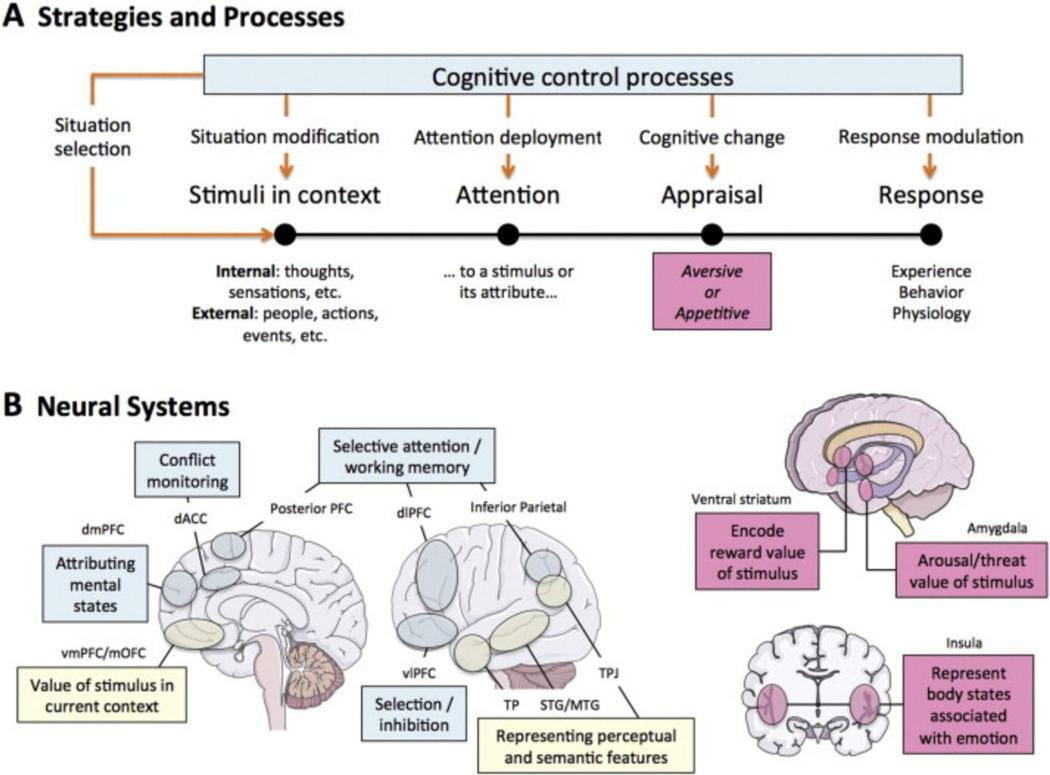
Within this study, a secondary analysis of data from a comprehensive pathopsychological examination was conducted. For an integrative assessment of cognitive functions (memory, attention, and operational characteristics of thinking) and features of the affective-personal sphere (level of anxiety, mechanisms of emotional regulation, and self-esteem) [11], protocols of the following methods were analyzed: “Learning 10 Words” (A.R. Luria), Schulte tables, “Excluding the Superfluous,” “Comparison of Concepts,” Luscher Color Test, and projective graphic methods. Interpretation of the results was carried out from a neuropsychologically oriented position, with particular attention to indicators associated with the functional activity of the dorsolateral prefrontal cortex (DLPFC) and anterior cingulate cortex (ACC), responsible for planning, cognitive control, and conflict resolution [12] (Fig. 1).
2.4 Psycholinguistic discourse analysis
A corpus of the patient’s handwritten texts (self-observation diary) was studied. The analysis was conducted at three levels [14, 15]:
- Semantic–thematic: Identification of dominant themes, leitmotifs, key concepts.
- Narrative–structural: Analysis of plot constructions, changes in speech subjects and points of view (narrative positions), presence of repetitive, ritualized fragments. Violations of narrative coherence may indicate dysfunction in the Default Mode Network (DMN) [16] and structures responsible for autobiographical memory.
- Stylistic–pragmatic: Identification of specific vocabulary, speech markers of manipulative influence (signs of double binds, creation of artificial dilemmas) [17].
The spontaneous, uncensored nature of the diary entries allowed for a more detailed and substantive assessment of the patient’s current emotional and motivational tendencies, supplementing the data obtained from standard clinical interviews and psychological testing.
2.5 Graphological analysis
A study of handwriting was conducted according to generally accepted parameters: stability of slant, pressure, size and shape of graphemes, organization of page space, presence of graphomotor features (tremor, micrographia). Graphological diagnostics, through the analysis of fine motor manifestations, letter size, pressure degree, and other graphomotor indicators, allows for the assessment of flexor–extensor balances and central influences on motor control in the context of psycho-emotional states. Interpretation was carried out taking into account the possible influence of the neurological symptoms of Andersen–Tawil syndrome, as well as an indicator of psychomotor agitation or inhibition associated with the state of the limbic system.
2.6 Integrative synthesis
Data obtained at each stage were compared using the triangulation principle to build a holistic picture and formulate substantiated conclusions about the interrelationship of the identified factors, considering modern concepts of brain networks involved in affective regulation, decision-making, and psychological vulnerability [4]. Advantages and Limitations of the Integrated Methodology. The combination of these methods allowed for a multidimensional assessment that would be unattainable using a single approach. The analysis of medical documentation and pathopsychological testing provided an objective clinical and functional framework. Psycholinguistic analysis offered unique insights into the subjective experience, internal logic, and potential external influences shaping the patient’s discourse, serving as a behavioral proxy for neurocognitive function. Graphological analysis added a neuro-graphomotor dimension, reflecting real-time psychophysiological states. Systematic combined use of several diagnostic methods enables a more effective, accurate, and substantive understanding of possible neurophysiological, neurobiological, and neurochemical mechanisms underlying the formation of the patient’s emotional and behavioral reactions, as well as the motivational predispositions that were present in this patient with a rare pathology. This approach significantly complements conventional general therapeutic, genetic, and neurodiagnostic tools used in patients with Andersen–Tawil syndrome.
3 Results
3.1 Clinical and anamnestic data
The patient was a 32-year-old man diagnosed with Andersen–Tawil syndrome in childhood (mutation in the KCNJ2 gene). He had been taking acetazolamide since adolescence. In the last 2–3 years, the drug dose was independently increased by 4–8 times, which is many times higher than the standard therapeutic doses (250–500 mg/day). Against this background, the patient developed a symptom complex including emotional lability, apathy, sleep disturbances, and anxiety, which corresponded to the diagnostic criteria for mixed anxiety-depressive disorder (F41.2 according to ICD-10). Pathopsychological examination revealed combined cognitive and affective disorders: reduced short-term memory capacity, exhaustion of voluntary attention, instability of the level of generalization, high levels of anxiety, emotional lability, and low self-esteem. This clinical picture suggested dysfunction of the prefrontal-limbic neural circuits responsible for emotion regulation and cognitive control [10, 12].
3.2 Results of psycholinguistic analysis
Two discursive models were identified in the texts:
- Expressive–infantile: Characteristic of personal correspondence, abundant in diminutives, which is interpreted as a manifestation of emotional dependence and regression, possibly associated with hyperactivation of systems responsible for attachment and seeking support.
- Doctrinal–dichotomous: Dominates in diary entries. Key findings:
- Presence of magical thinking as a metanarrative: Reality is interpreted through the prism of the confrontation between Good and Evil, creating a picture of fatalism and external control. Such rigid, dichotomous thinking may correlate with reduced cognitive flexibility and functional activity of the dorsolateral prefrontal cortex (DLPFC)—a key brain region responsible for executive functions, working memory, cognitive control, and planning [4, 12].
- Linguistic markers of destructive psychological influence: The texts revealed stable speech patterns corresponding to manipulative tactics. The purpose of such statements is the sequential destruction of the patient’s cognitive and emotional confidence through the presentation of logically contradictory assertions. The result of chronic exposure to such double binds is the formation of a persistent state of cognitive dissonance. From a neurobiological perspective, the constant need to process conflicting information creates an increased load on the anterior cingulate cortex (ACC)—a brain region critical for error detection, conflict monitoring, attention regulation, and cognitive control. Prolonged psychological pressure may lead to functional exhaustion of this system [17, 18].
- Construction of dependence: The texts contain an active search and discussion of a “mentor,” with the relationship described in terms of “payment” and “work.” This indicates a manipulative nature of interaction and may reflect a disturbance in the reward and trust evaluation system associated with the insula and striatal structures [4].
3.3 Results of graphological analysis
Signs of emotional instability and anxiety were identified: unstable slant and pressure, wavy line, micrographia. These signs are consistent with the clinical picture of anxiety–depressive disorder and can be considered as an external manifestation of psychomotor restlessness associated with the activity of limbic structures.
4 Discussion
The presented case illustrates a complex pathogenetic pathway of mental disorder formation, viewed through the lens of dysfunction of neurobiological systems.
4.1 Pathophysiological mechanisms of affective destabilization
The diagnosis of ATS provides an organic basis [5]. The intake of high doses of acetazolamide, a carbonic anhydrase inhibitor, is a likely significant factor in the genesis and exacerbation of symptoms [7, 8, 19]. Beyond its systemic effects, acetazolamide’s action in the central nervous system involves the modulation of carbonic anhydrase isoenzymes, influencing pH balance, GABAergic transmission, and NMDA receptor function. This can disrupt the delicate excitatory–inhibitory balance, particularly in limbic structures (amygdala, hippocampus) and prefrontal regions. The resultant neurobiological vulnerability manifests as heightened amygdala reactivity to threat, impaired top-down cognitive control from the DLPFC over emotional responses, and dysfunctional connectivity within the Default Mode Network (DMN), which is crucial for self-referential processing and autobiographical coherence. This state of limbic hyperactivity and prefrontal hypoactivity creates a fertile ground for the development of anxiety and depressive symptoms [10, 18].
4.2 Psycholinguistic analysis as a tool for assessing neurocognitive functions
The main scientific value of the analysis lies in objectifying through language not only the content of thoughts but also potentially underlying impaired neurocognitive functions. The rigid, dichotomous nature of thinking reflected in the texts may be a marker of reduced functional connectivity of brain structures that provide cognitive flexibility and adaptive decision-making [4, 12]. The identified disturbances in written speech—fragmented presentation and obsessive repetition of a limited range of topics—serve as significant psycholinguistic markers. These narrative features suggest the presence of functional changes in the Default Mode Network (DMN), which is responsible for holistic self-perception and internal dialogue [20]. Thus, discourse analysis provides valuable indirect information about the state of key neurocognitive processes underlying the construction of the self-image and comprehension of personal experience. Therefore, the texts act as a behavioral phenotype reflecting dysfunction of specific neural connections.
4.3 Model of neurocognitive vulnerability to manipulative influence
It can be assumed that the patient developed a state of neurocognitive vulnerability that became a target for external manipulative influence (Fig. 1):
Impairment of cognitive control systems, namely dorsolateral prefrontal cortex (DLPFC) and anterior cingulate cortex (ACC). The DLPFC, responsible for critical analysis and logical thinking, did not provide adequate assessment of contradictory manipulative messages (gaslighting). Simultaneously, the ACC, acting as a conflict detector, did not register the arising cognitive dissonance—the mental discomfort from simultaneously holding contradictory ideas. Thus, the key ability not only to recognize the contradiction but also to initiate its resolution was lost, making the patient helpless against external psychological pressure [4, 17].
Hyperactivation of systems related to safety seeking and attachment increased susceptibility to offers of “salvation” and “mentorship,” making the patient dependent on an external information source for structuring reality [3, 21].
Disruption of the reward and trust evaluation system facilitated the formation of manipulative relationships, within which the patient was willing to “pay” for the illusion of control and care [4].
The identified manipulative influence likely operated by exacerbating this pre-existing neurocognitive dysfunction. The constant presentation of double binds and contradictory information would further strain the already compromised ACC, deepening cognitive dissonance and exhaustion. Simultaneously, the manipulator’s positioning as a sole source of clarity and structure would exploit the hyperactive attachment and impaired reward evaluation systems, reinforcing dependency. This creates a vicious cycle where external influence both exploits and amplifies the underlying neuropsychiatric vulnerability, leading to a profound impairment of autonomous will.
5 Conclusion
The conducted interdisciplinary analysis confirms that the patient’s mental state was the result of the synergistic impact of biological, iatrogenic, and psychosocial factors, reflected in specific neurocognitive and psycholinguistic patterns. This case:
Emphasizes the importance of considering iatrogenic neuropsychiatric risks in the therapy of rare diseases, in particular, the need for monitoring mental state during acetazolamide intake [7–9, 19].
Illustrates the possibilities of psycholinguistic analysis of a self-observation diary as a valuable indirect tool for constructing a retrospective hypothesis about the nature of neurocognitive disorders and possible external manipulative influence [14, 17, 22]. Demonstrates a model in which destructive psychological influence attacks and exploits specific vulnerable links in the system of affective regulation and decision-making, forming a state of deep impairment of autonomy of will [2, 17].
Shows that a systemic comprehensive diagnostic approach significantly complements standard clinical methods, allowing for a more nuanced understanding of the neurobiological underpinnings of psycho-emotional maladaptation in complex comorbid conditions, such as Andersen–Tawil syndrome. Indicates the need for further research aimed at correlating specific speech and narrative markers with neuroimaging data and in-depth neuropsychological testing in patients with comorbid somatic–psychiatric conditions [4, 12, 16].
Author contributions
A.S., V.M., V.L., initiated and supervised this article. V.L., A.S. and V.M., wrote Abstract and Conclusions; Introduction, Results and Conclusions. All authors were also involved in the editing of the manuscript.
Funding No Funding.
Availability of data and materials Not applicable.
Code availability Not applicable.
Declarations
Conflict of interest The authors declare that they have no competing interests.
Ethics approval Not applicable
Consent to participate Not applicable.
Consent for publication Not applicable.
References
- Order of the Ministry of Health of Russia dated November 30, 2021 No. 107n (registered with the Ministry of Justice on December 29, 2021 No. 66793).
- I.I. Ivanov, P.P. Petrov, Mental complications during treatment with acetazolamide. J. Clin. Pharmacol. 4, 123–128 (2019)
- A.V. Shulga, E.V. Fedorova, Cognitive and emotional profile in channelopathies in children and adolescents. J. Neurol. Psychiatry (named after S.S. Korsakov) 123(3), 45–51 (2023)
- S. Imtiaz et al., Psychosocial and psychiatric aspects of Andersen–Tawil syndrome: a rare channelopathy. Orphanet J. Rare Dis. 17(1), 1–10 (2022)
- V.A. Sansone et al., Neuropsychiatric features in Andersen-Tawil syndrome: case series analysis and clinical recommendations. Neurology Genetics. 8(3), e200021 (2022). https://doi.org/10.1212/NXG.0000000000200021
- S. Whitfield-Gabrieli, J.M. Ford, Default mode network activity and connectivity in psychopathology. Annu. Rev. Clin. Psychol. (2012). https://doi.org/10.1146/annurev-clinpsy-032511-143049
- I.A. Andrianova, S.V. Petrova, Psychological adaptation in patients with Andersen-Tawil syndrome. Neurol. Neuropsychiatr. Psychosom. 13(5), 77–84 (2021)
- M. Tristani-Firouzi, S.P. Etheridge, Andersen–Tawil Syndrome, GeneReviews (University of Washington, Seattle, 2024)
- E. Matthews, D. Fialho, Psychiatric adverse effects of acetazolamide in episodic muscle channelopathies. Muscle Nerve 64(2), 124–130 (2021)
- V.A. Sansone et al., Review of chronic periodic paralysis and dichlorphenamide: efficacy, safety, and psychiatric features. Ther. Adv. Neurol. Disord. 15, 1–13 (2022)
- M.M. Kochenov, Forensic Psychological Examination: Theory and Practice. Selected Works. M.: Genesis, 2010
- I.G. Malkina-Pykh, Psychology of Victim Behavior (Victimology) (Eksmo, 2010)
- https://www.researchgate.net/publication/311963810_Functional_imaging_studies_of_emotion_regulation_A_synthetic_review_and_evolving_model_of_the_cognitive_control_of_emotion
- Clinical Psychology/Ed. by M. Perret, U. Baumann. (Piter, St. Petersburg, 2007)
- A.A. Leontiev, Fundamentals of Psycholinguistics (Smysl, 1997)
- G. Bush, Attention-deficit/hyperactivity disorder and attention networks. Neuropsychopharmacol. 35, 278–300 (2010). https://doi.org/10.1038/npp.2009.120
- A.R. Luria, Writing and Speech: Neurolinguistic Research (Academia, 2002)
- V.A. Sansone, O.A. Gavriliuc, E. Sztanic et al., Neuropsychiatric features in Andersen–Tawil syndrome: case series analysis and clinical recommendations. Neurol. Genet. 9(1), e200021 (2023)
- M. Tristani-Firouzi, S. P. Etheridge, Andersen-Tawil syndrome, in GeneReviews [Internet] (University of Washington, Seattle, 2024)
- C. Bost, R.J. Barohn, Case report: depression and suicidal ideation in Andersen–Tawil syndrome treated with acetazolamide. Muscle Nerve 66(7), 946–950 (2022)
- Federal Law ”On State Forensic Expert Activity in the Russian Federation” No. 73-FZ dated May 31, 2001 (as amended on November 4, 2023) // Collected Legislation of the Russian Federation. 2001(23), Article 2291.
- Order of the Ministry of Justice of the Russian Federation No. 124 ”On Approval of Methodological Recommendations for Conducting Psycholinguistic Examination.”
Springer Nature or its licensor (e.g. a society or other partner) holds exclusive rights to this article under a publishing agreement with the author(s) or other rightsholder(s); author self-archiving of the accepted manuscript version of this article is solely governed by the terms of such publishing agreement and applicable law.
